

Most creators have experienced this:
You're heading out for a shoot. The camera is packed, the lenses are packed, the batteries are packed. Everything is in the bag, or so you think.
And yet somehow, five minutes into the day, you're already looking for something: A memory card, a cable. a battery you were sure you packed or a a small tool buried somewhere at the bottom of the bag.
The problem isn't that you forgot your gear. The problem is that being packed and being ready are not the same thing.
Most People Are Packed
Packing is relatively easy.
You put everything into a backpack, hard case, or suitcase and make sure it gets from point A to point B.
If you've ever played a game of Tetris with camera equipment before a flight, you know exactly what we mean.
Packing solves one problem: The "how do I fit everything?"
But it doesn't solve another, more important one: "How do I work efficiently when I get there?"
Because once the shoot starts, nobody cares how neatly your gear was packed. What matters is whether you can find what you need, when you need it.
Ready Is Different
Being ready means your gear isn't just transported. It's organized, accessible. protected and predictable.
A ready workflow answers three questions immediately:
- Where is it?
- Is it ready to use?
- How quickly can I get to it?
Think about the difference between a toolbox and a pile of tools. Both contain the same equipment.One lets you work and the other slows you down.
The Hidden Cost of Disorganization
Most gear-related problems don't come from catastrophic failures, they come from tiny moments of friction: Looking for batteries, untangling cables, checking every pocket for a memory card or opening three different bags to find a charger.
Individually, these moments feel insignificant, but collectively, they create stress, delays, and mental fatigue.
And that's the real cost of disorganization. Every minute spent searching is a minute not spent creating.

System Thinking
Professional crews don't organize gear because they enjoy organizing gear. They organize because systems reduce mistakes.
Pilots use checklists, climbers rack equipment in the same order every time and medical teams standardize where tools are stored.
This is not because they're obsessive, but because consistency creates reliability.
The same principle applies to creative work.
A good gear system should remove decision-making. You shouldn't have to wonder where batteries live, think about where cables are stored or search for media cards.
The system should answer those questions for you. And that's exactly what system thinking is:
Creating workflows that work even when you're tired, stressed, traveling, or under pressure.
Every Item Needs a Home
One of the simplest organizational principles is also one of the most effective:
Every item needs a home. Not a temporary place or "good enough" pocket. A dedicated location. Batteries have a place, media has a place, charging equipment has a place, tools have a place...
When every category has a home, your brain stops searching and the system becomes predictable.
And predictability is one of the most underrated productivity tools in any creative workflow.
Build Modules, Not Piles
One of the biggest mistakes creators make is organizing gear by available space.
A cable goes wherever it fits, the battery ends up wherever there's room and an adapter gets dropped into a random pocket.
Over time, those decisions create chaos. A better approach is to organize by function.
Think in modules:
- Power
- Media
- Audio
- Tools
- Travel
- Charging
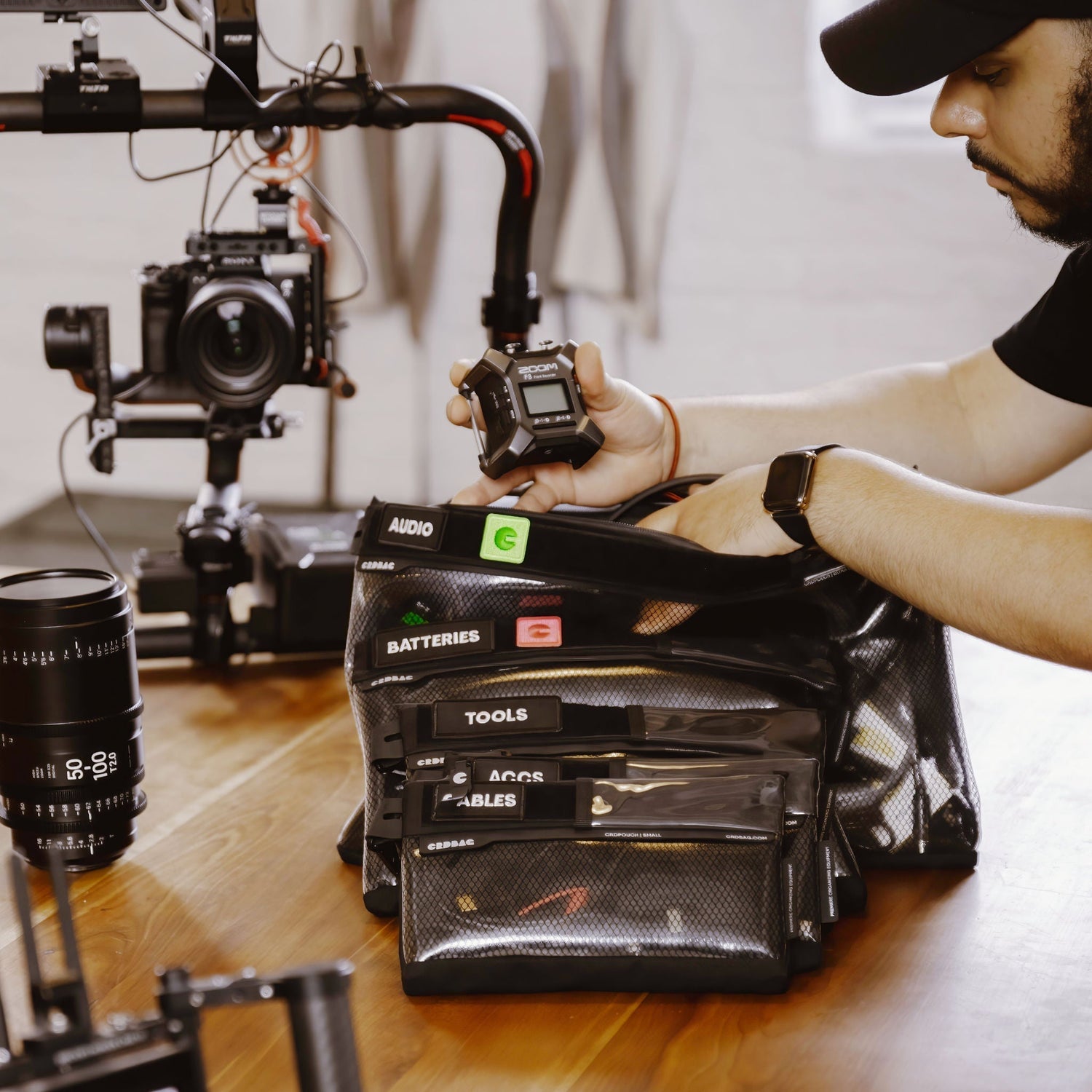
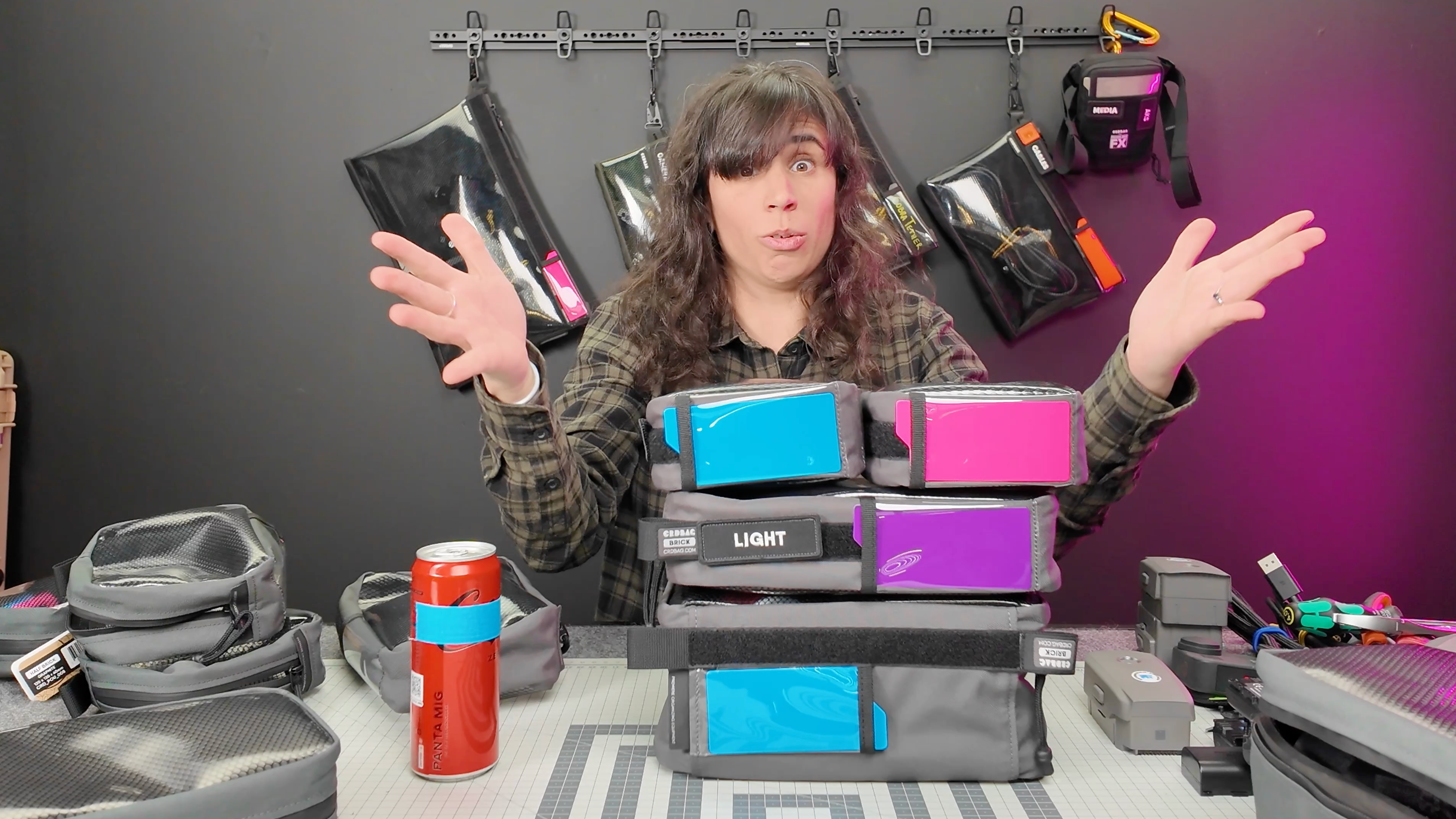
Each module serves a purpose and each module can be accessed independently. Together, they create a system that scales as your workflow grows.
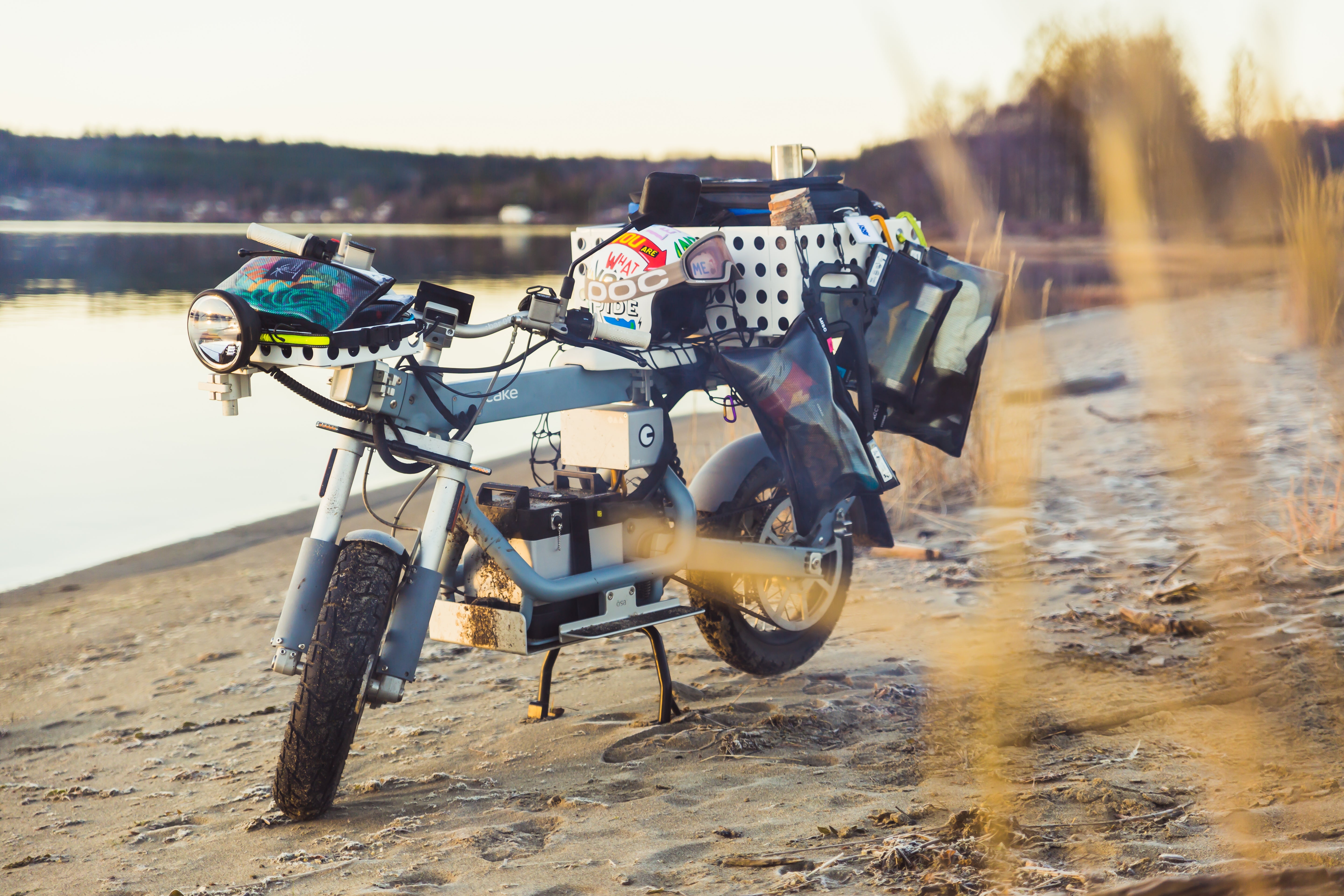
Whether you're carrying a backpack, a hard case, or a full production setup, the principle stays the same.
Remember: build systems, not piles.

Reliability Creates Confidence
One of the unexpected benefits of organization is confidence. You move differently when you trust your system as you stop second-guessing yourself and don´t need to check the same pocket three times.
You stop wondering if you forgot something important. Instead, your energy goes where it belongs: doing the work.
Prepared people often appear calmer, and that´s not because they have fewer problems, but because they've already solved many of them before they arrive.
The Goal Isn't Perfection
The goal isn't to create the world's neatest bag or color-coded perfection. The goal is reliability.
A good organizational system should work:
- In airports
- On location
- During long production days
- In bad weather
- Under pressure
- When you're tired
Because that's when systems matter most. Anyone can stay organized when conditions are perfect. The real test is whether your workflow still works when they're not.

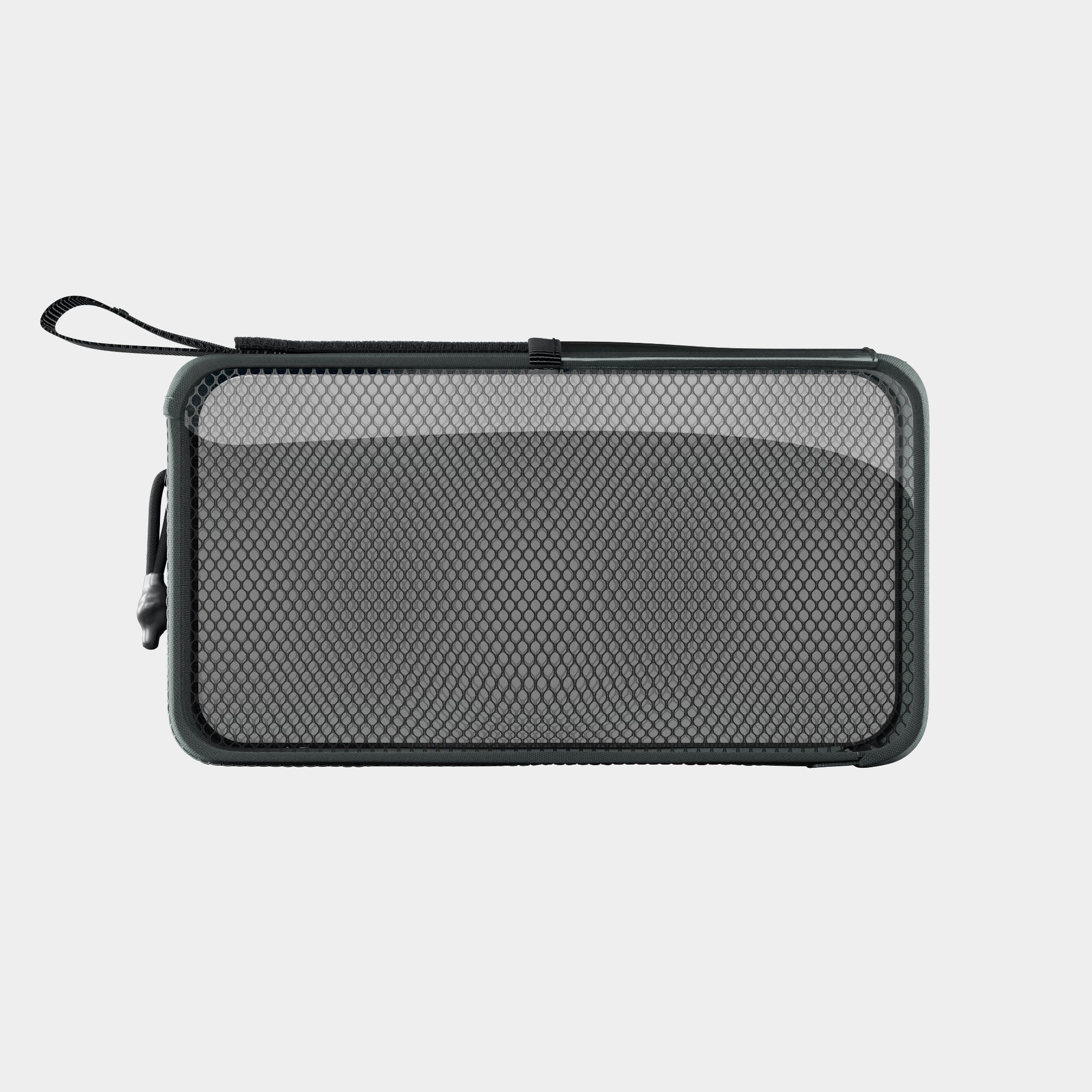
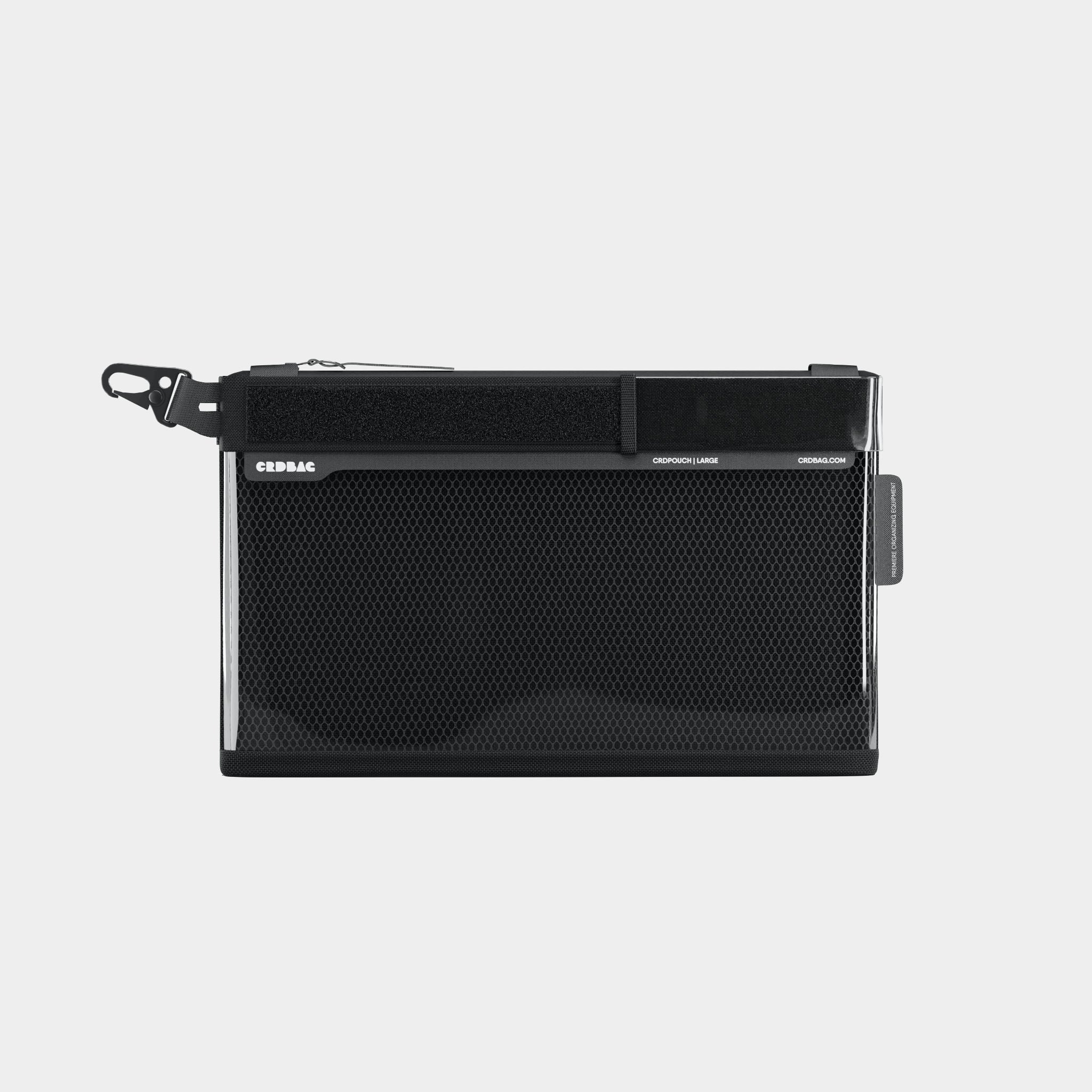
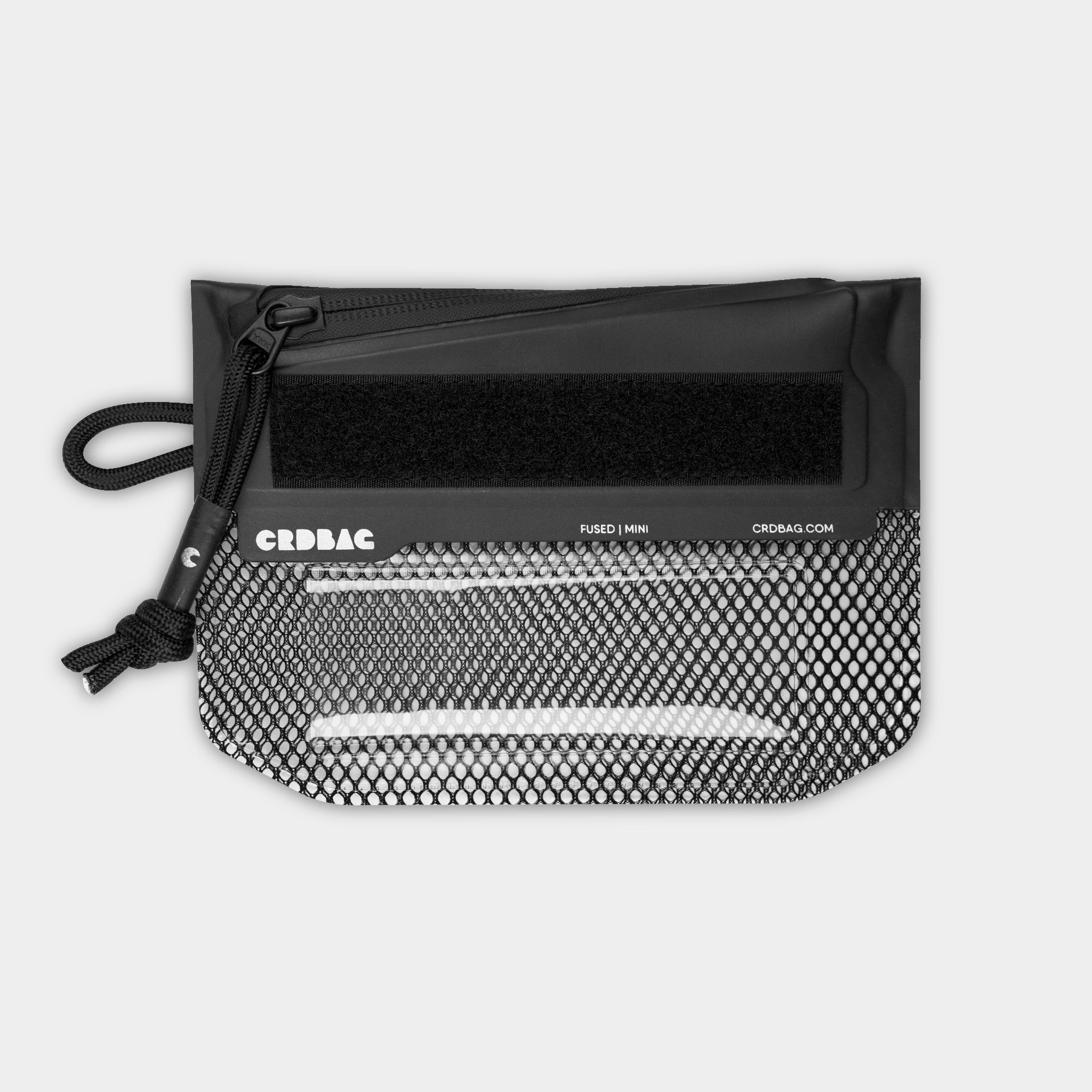
Discover the full CRDBAG ecosystem that allows you to create your own custom organization system.
Packed Gets You There. Ready Lets You Work.
That's the difference. Packed means your gear made the trip. Whilst ready means your workflow is ready to perform.
And in creative work, that's often the difference between feeling overwhelmed and feeling in control.
The equipment matters, but the system that supports all of it matters too.
Because great work rarely comes from chaos.
It comes from having the freedom to focus on what matters most.

Hinterlassen Sie einen Kommentar
Alle Kommentare werden vor der Veröffentlichung moderiert.
Diese Website ist durch hCaptcha geschützt und es gelten die allgemeinen Geschäftsbedingungen und Datenschutzbestimmungen von hCaptcha.