
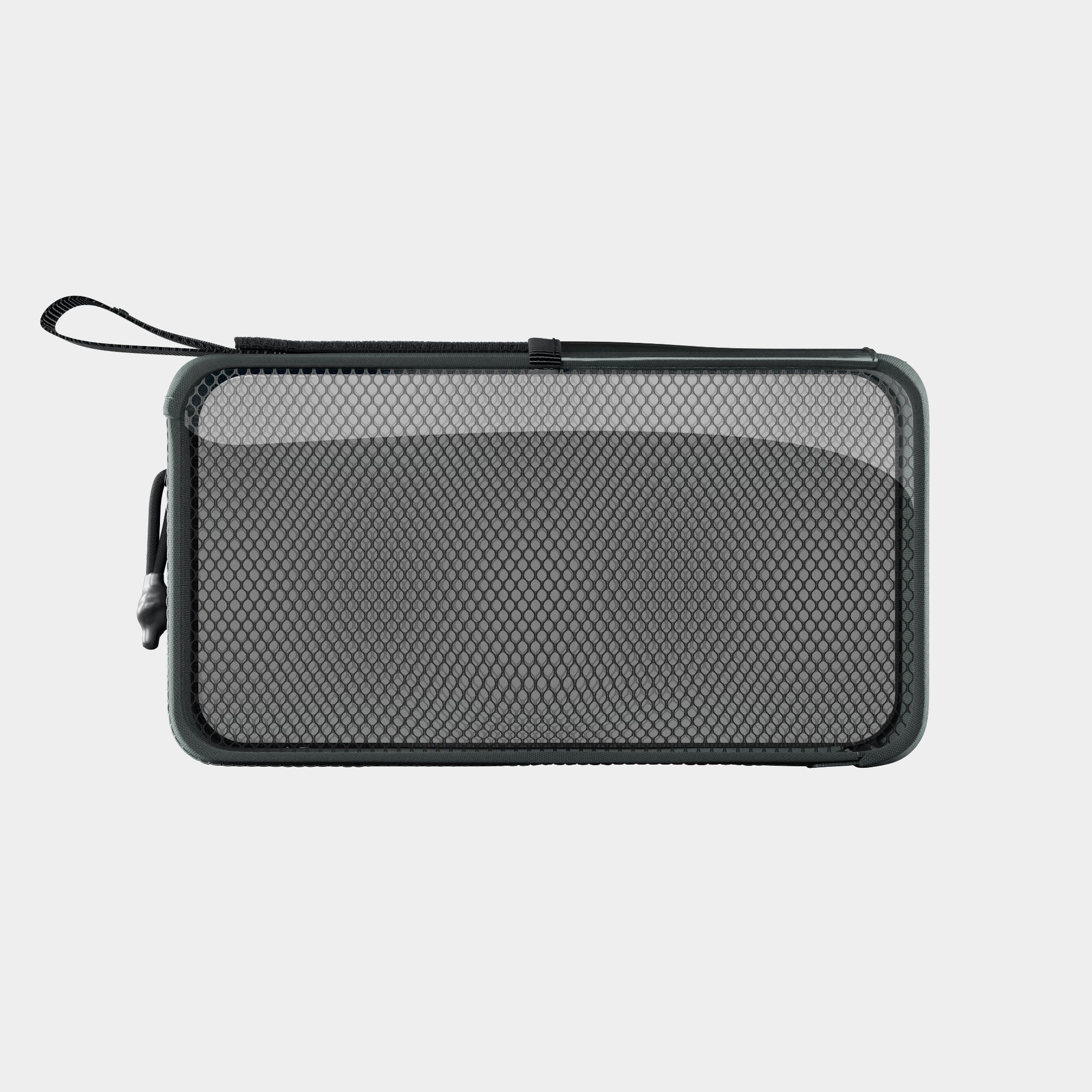
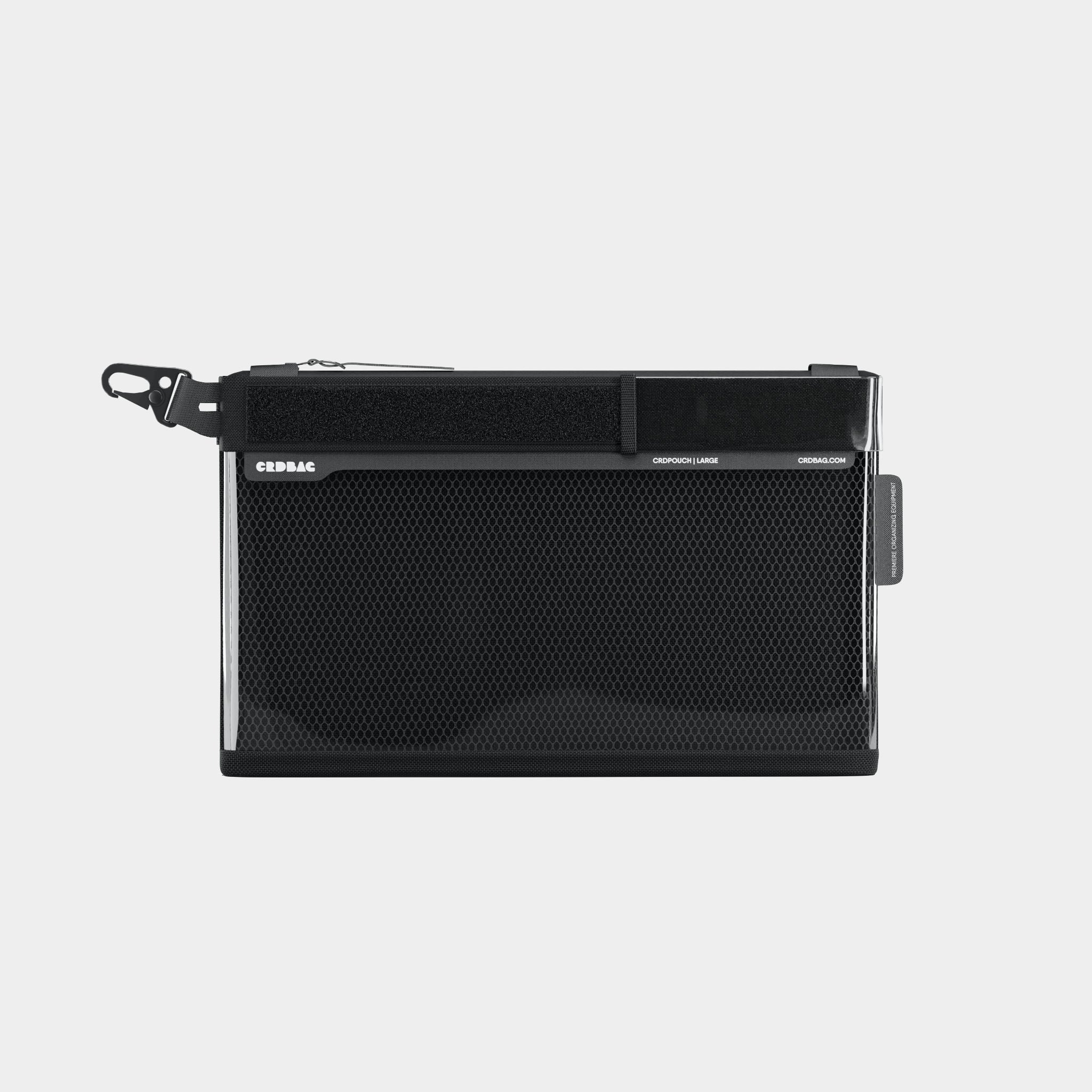
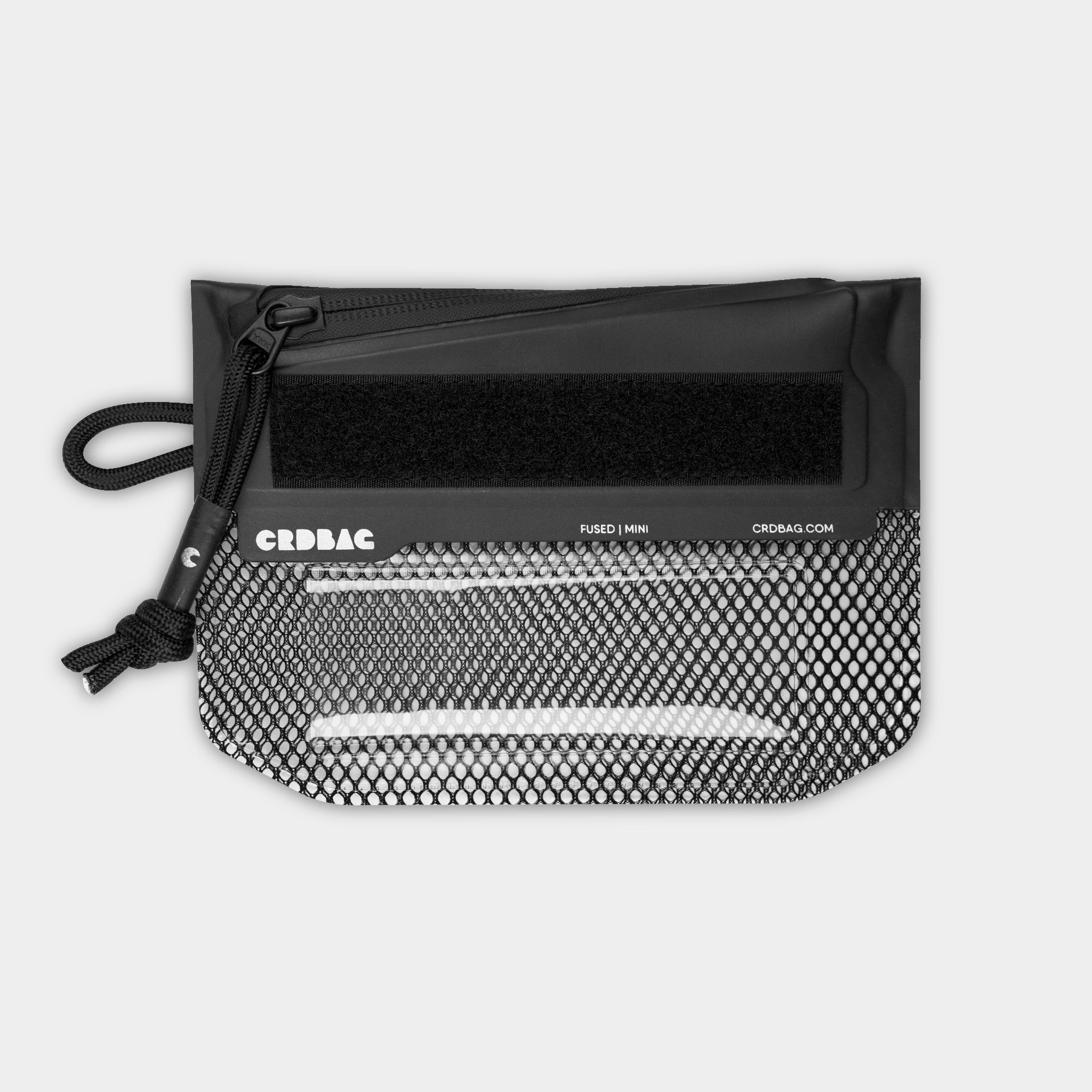

This is how filmmaker Thomas Lhermitte from TL Films built a faster, more professional workflow, and why he’s used the same system for 5 Years.
In professional filmmaking, gear organization is rarely the most glamorous topic. Yet on fast-paced productions, moving between snow, heat, travel, and tight schedules, how equipment is protected and accessed can make the difference between a smooth shoot and constant friction.
For Thomas, professional filmmaker and founder of TL Films, gear organization evolved from an afterthought into a core part of his workflow. After more than five years of daily use, CRDBAG has become a permanent fixture on every production he works on, not because it looks good, but because it works.
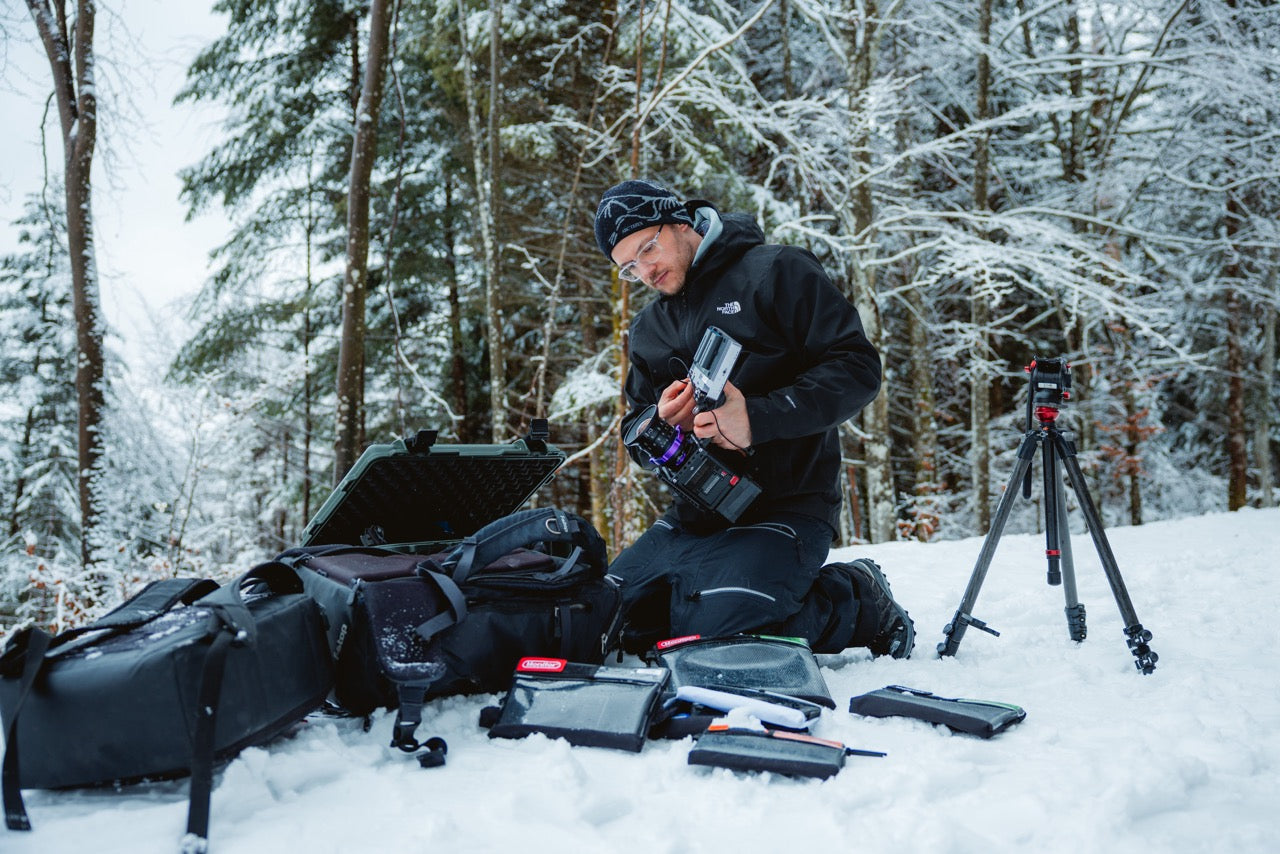
A Filmmaker Shaped by High-Intensity Environments
Thomas works in demanding production conditions: outdoor shoots, travel-heavy schedules, cold and heat extremes, and fast-paced sets where efficiency matters. Like many filmmakers early in their career, he initially relied on inexpensive, improvised solutions to protect his equipment.
Amazon pouches. Transparent makeup bags. Whatever was available and affordable at the time.
At first, these options did the job. But as productions became more complex and the value of his equipment increased, their limitations became impossible to ignore.

The Hidden Cost of “Good Enough” Gear Storage
Cheap, generic storage solutions came with consequences that weren’t obvious at the start:
- Insufficient protection for expensive electronics
- Poor organization on set
- Time lost searching for accessories
- Faster wear and tear on equipment
- What seemed like a cost-saving decision slowly turned into a drain on efficiency, reliability, and peace of mind.
More importantly, it began to affect how professional the workflow felt, both for Thomas and for the clients watching him work.
A Shift in Mindset: Gear Protection as a Career Investment
The turning point comes with a simple realization:
"Protecting gear is a long-term investment: just like tripods, microphones, or camera rigs. These are tools that follow you throughout your entire career."
Instead of repeatedly replacing worn-out pouches, Thomas chose to invest once in a modular system designed specifically for professional use. That decision marked the beginning of his long-term relationship with CRDBAG.
The CRDBAG System in Daily Practice
After five years of continuous use, CRDBAG is now integrated into every TL Films production. The strength of the system lies in its clarity: each pouch has a role, and nothing is left to chance.
Modular Sizes, Clear Roles
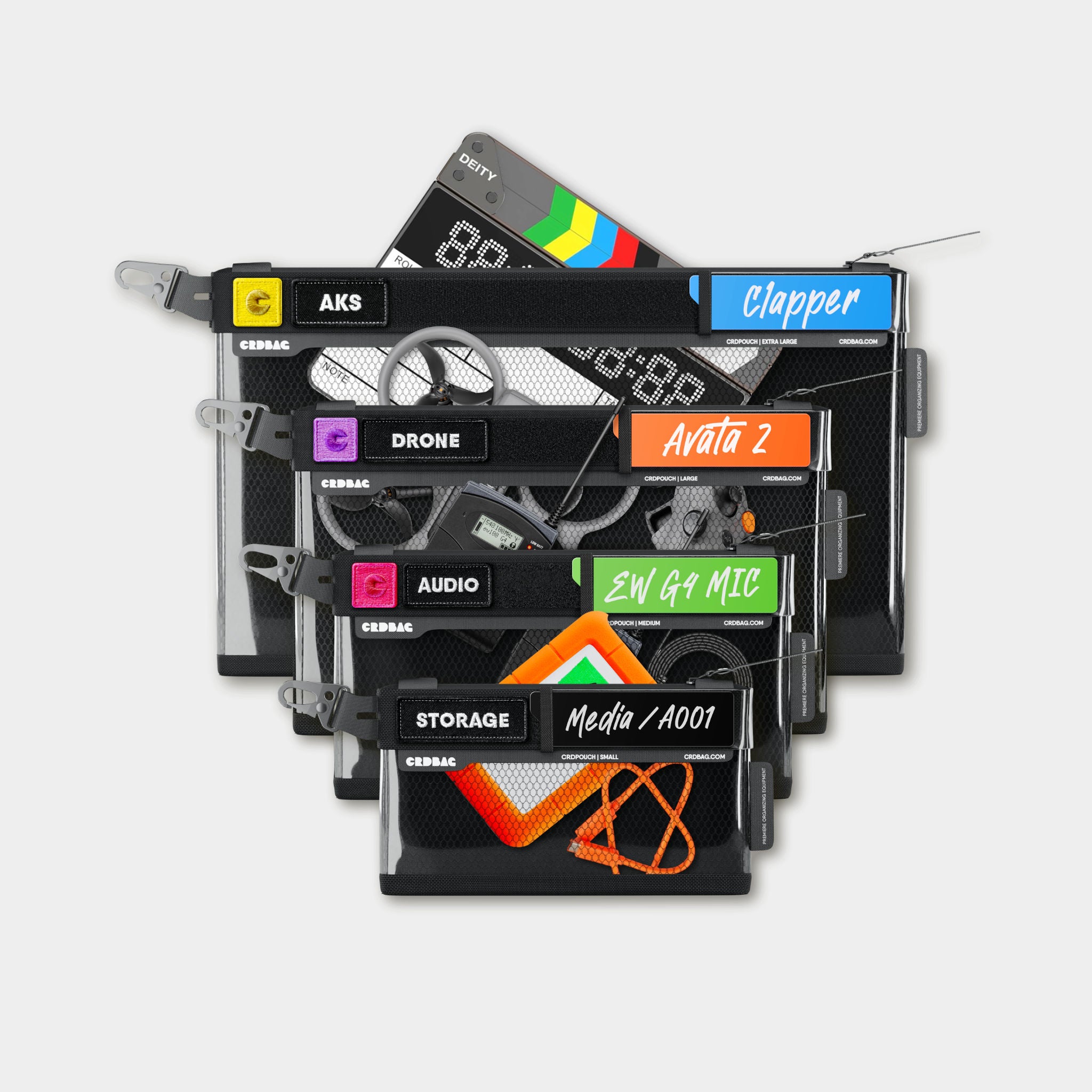
Each size is assigned a specific function:
- Small (S): tools, cables, essential accessories
- Medium (M): microphones, batteries, transmitters, the daily go-to size
- Large (L): 7” monitors and sensitive electronics
- Extra Large (XL): gimbals, rigging, arms, and heavier components
This clear separation eliminates confusion and significantly speeds up setup and breakdown on set.

Battery & Card Management
Power and data are handled with the same level of precision.
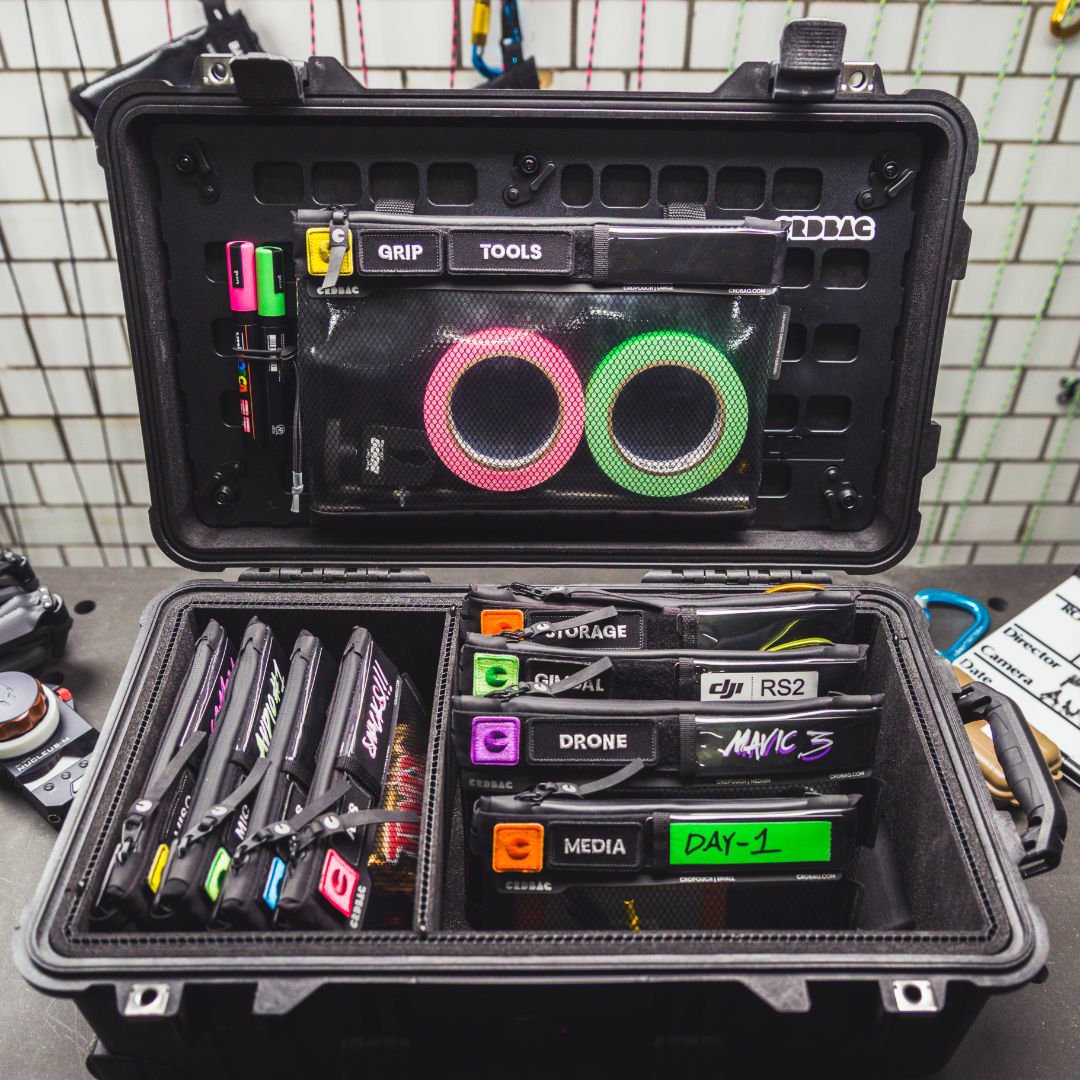
Battery bricks allow Thomas to store and transport up to 11 Sony NPF batteries in a single, stackable unit. Memory cards and readers live in the FUSE Mini, a dedicated pouch designed to reduce handling errors and lost time during critical moments.
Pelican Case Integration
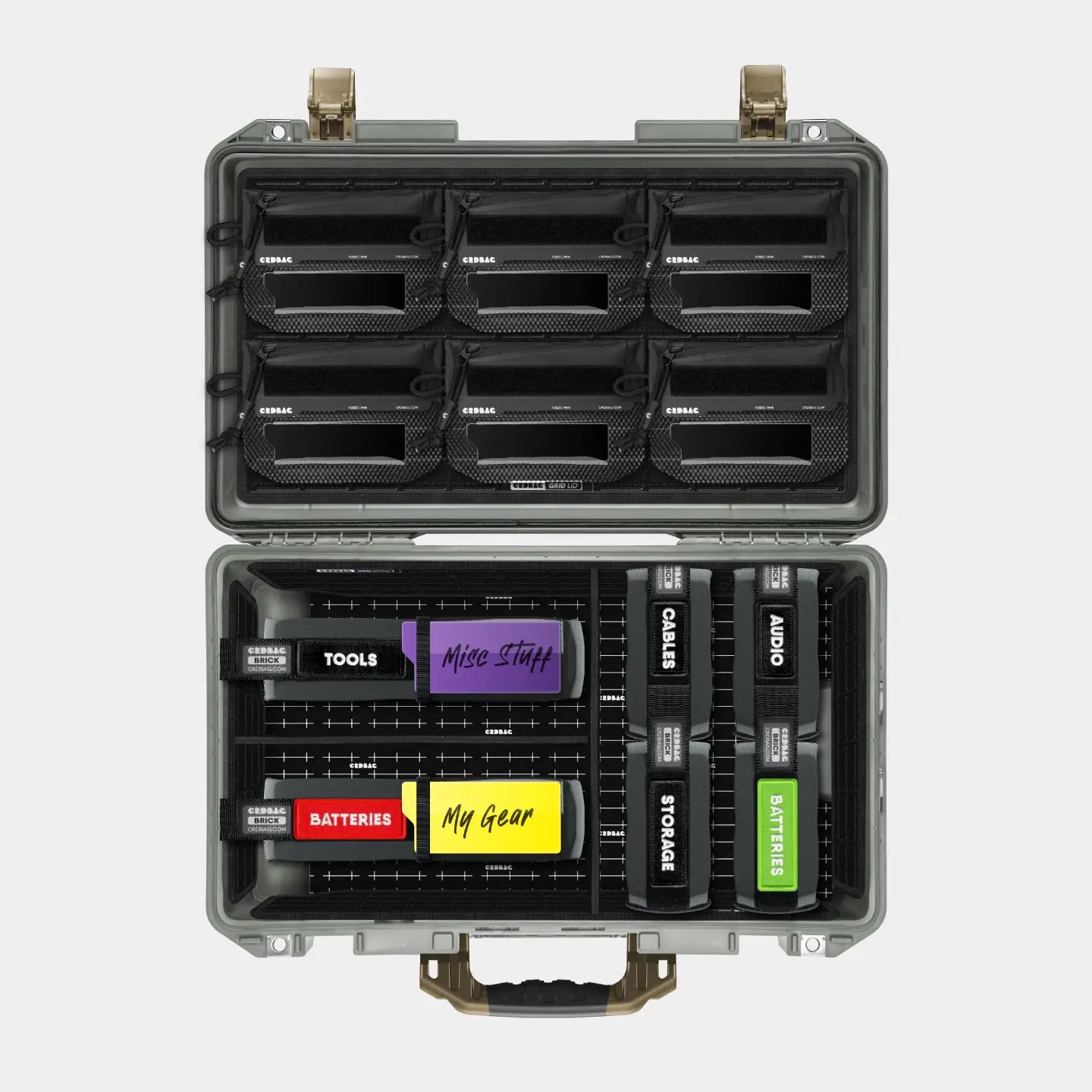
Instead of traditional foam layouts, Thomas uses CRDBAG Grid systems inside Pelican cases:
- Foam removed
- Grid installed
- Pouches stacked and fully removable
The result is instant access to essential gear, without digging through layers of foam or loose cases.
Identification & Tracking
To maintain control across departments and transport:
- Color-coded labels identify camera, sound, accessories, and rigging
- Writable labels allow quick customization
- AirTag integration is used for high-value equipment
Everything is visible, identifiable, and traceable at a glance.
Tested Over Years, Not Just Shoots
Perhaps the strongest validation of the system is time.
Over four to five years, Thomas has used the same pouches in:
- Snow and freezing temperatures
- Heat and summer pit lanes
- Frequent travel and transport
- Fast-paced, high-pressure production environments
Despite heavy use, the verdict is clear:
“Not a single seam has failed. The pouches are still in excellent condition.”
While labels may show wear, a visible sign of real-world use, the structure, stitching, and materials remain intact. It shows durability over years of use.
The Results: Efficiency, Confidence, Professionalism
Integrating CRDBAG into his workflow has led to tangible results:
- Faster setups and breakdowns
- Better protection for expensive equipment
- Reduced stress during production
- Clear, structured organization
- A more professional presentation in front of clients
- As Thomas points out, arriving on set with well-organized, clearly labeled gear communicates reliability and professionalism before filming even begins.
In an industry where trust, efficiency, and execution matter, that first impression carries real weight.
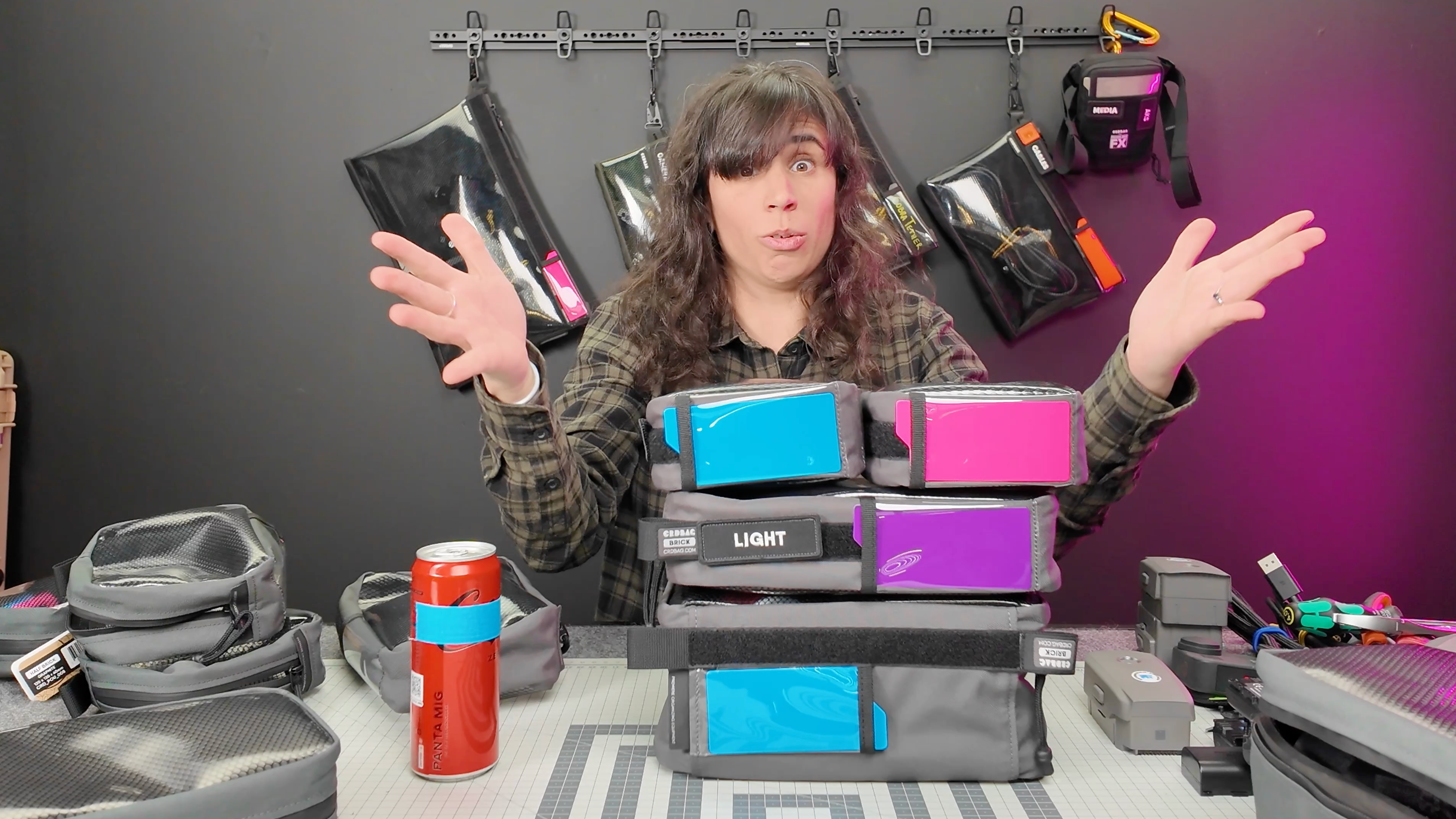
This article is based on Thomas’ firsthand breakdown of his workflow and five years of professional use, you can watch the full video below:

Leave a comment
All comments are moderated before being published.
This site is protected by hCaptcha and the hCaptcha Privacy Policy and Terms of Service apply.